
Field Notes: Mourning The Chinars
Seerat-Un-Nisa

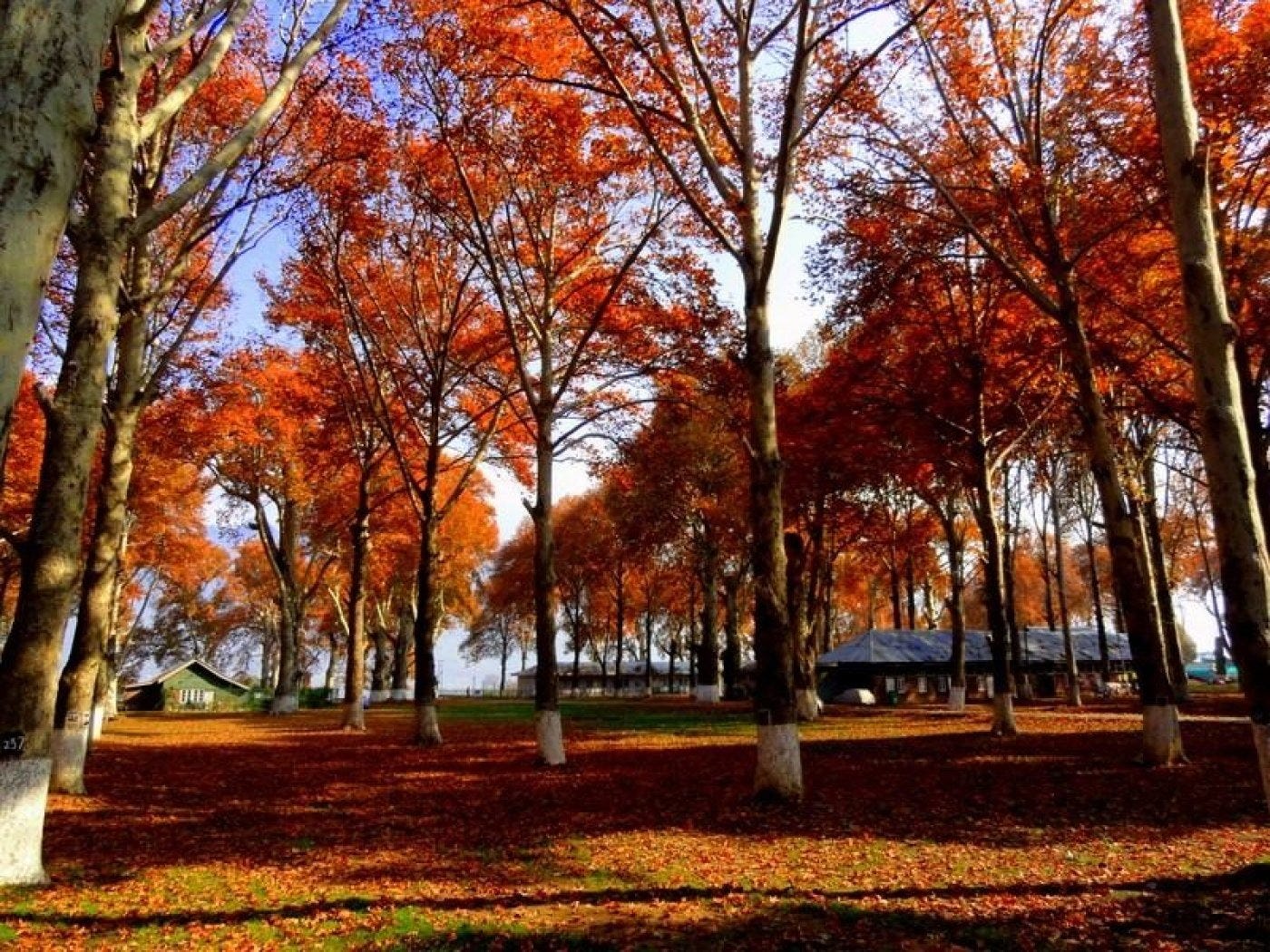
In Kashmir, people usually stop for funerals, protests, snowfall, and weddings. Now, they stop to mourn trees.
On the Srinagar-Baramulla highway, giant chinars lay on the ground like wounded bodies, their roots exposed, their centuries cut open by machines.
People stood silently beside them, taking photographs they did not know what to do with. Some touched the bark before leaving, almost instinctively, like saying goodbye to an elder.
Older residents recalled how their grandparents planted chinars decades ago.
Younger Kashmiris posted videos online mourning the loss as if mourning a relative.
The government says the highway expansion is necessary.
Development always arrives with maps, measurements and deadlines. But on this road, development also arrived with the sound of chainsaws cutting through memory.
For Kashmiris, the chinar is not a decoration. It is shade during political unrest, shelter during autumn prayers, witness to childhoods, funerals and long summers.
Entire neighbourhoods are remembered through the trees that stood there first.
Perhaps that is what made the silence around the fallen trees feel so heavy. Not only because trees were cut, but because something intimate and familiar disappeared with them.
In Kashmir, landscapes carry memory.
And sometimes, when a tree falls, people feel a part of themselves fall with it too.
Read Seerat-Un-Nisa’s full story here.
Also Read: